25.10.2026
2 min read
Hyaluronic Acid: What It Does for Your Skin and How to Choose the Right Product

Hyaluronic acid is a widely used skincare ingredient valued for its humectant properties, meaning it helps attract and retain moisture, leaving the skin feeling hydrated and comfortable. It can be found in serums, moisturisers, face masks, lip treatments and body care products.
This guide explains what hyaluronic acid does for the skin, how different molecular weights work and the benefits of each product format. It also helps you choose the most suitable treatment for your skin type and incorporate it into a routine alongside other skincare ingredients.
The products mentioned belong to Germaine de Capuccini's TIMEXPERT HYDRALURONIC range and are described according to their individual product information. You can explore the full collection, including Hyaluronic 3D Force, Plumping Moisturising Cream, lip care and other specialist hydration treatments, on the UK website.
What is hyaluronic acid?
Hyaluronic acid is a humectant ingredient commonly used in skincare formulations, including serums, creams and other skin treatments.
It is available in different molecular sizes, and a single formula may combine several molecular weights.
This guide focuses exclusively on hyaluronic acid used in topical skincare products — those applied to the skin in the form of a serum or cream. It does not cover injectable treatments, which belong to a separate medical field and must be performed by a qualified healthcare professional.
When choosing a product, consider three important details in its description: the format, the intended area of application and the recommended time of use. These factors make it easier to identify the product that best suits your routine without unnecessarily duplicating steps.
For more information about this ingredient, explore our hyaluronic acid skincare collection.
What does hyaluronic acid do for your skin?
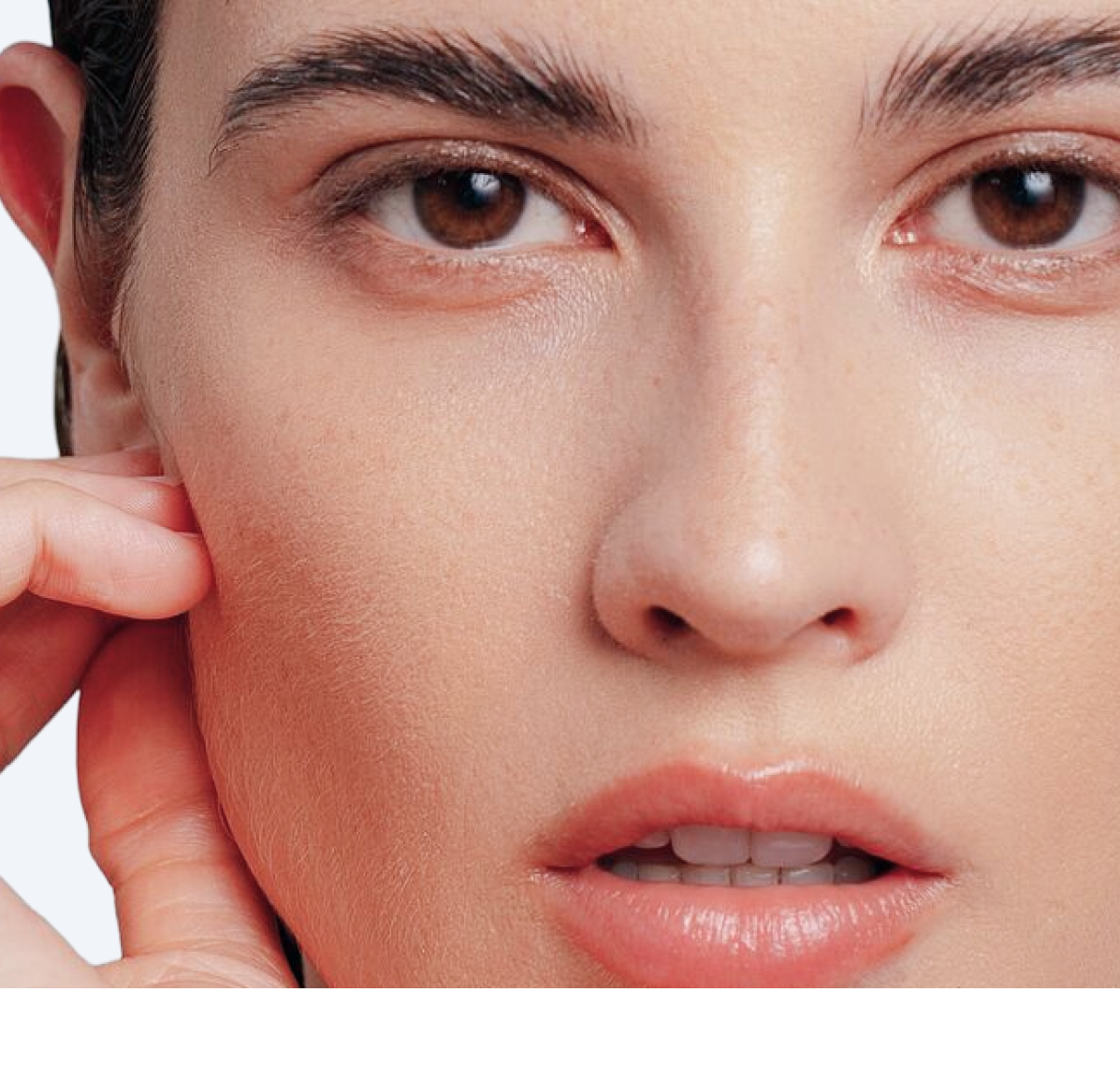
In skincare, hyaluronic acid helps hydrate the skin while contributing to a softer, smoother and more comfortable feel.
These are its general benefits, while the specific results of each product depend on its complete formulation. Hyaluronic 3D Force and Hyaluronic 3D Force XL are designed to provide hydration at different levels and a visible cosmetic plumping effect.
When skin becomes dehydrated, it may feel tight, uncomfortable or less supple.
If this sounds familiar, choosing products specifically designed to address dehydration can help improve the skin's overall comfort.
If your main concern is fine lines or wrinkles, you may also find our guide to the different types of facial wrinkles helpful.
Hyaluronic acid can be incorporated into a wide variety of skincare routines, from younger skin looking for everyday hydration to mature skin experiencing increased dryness.
However, no single ingredient can replace a well-balanced skincare routine. Gentle cleansing, moisturising, daily sun protection and consistent application all play an important role in maintaining healthy-looking skin.
Hyaluronic acid molecular weights in TIMEXPERT HYDRALURONIC
Molecular weight refers to the size of hyaluronic acid molecules. A skincare formulation may combine different molecular weights to provide complementary hydration benefits.
Hyaluronic 3D Force and Hyaluronic 3D Force XL contain high, medium and low molecular weight hyaluronic acid, designed to hydrate at different levels and deliver a cosmetic plumping effect.
The Plumping Moisturising Cream combines hyaluronic acid of different molecular weights with polyglutamic acid. Its formulation is designed to help retain moisture, enhance hydration and improve the appearance of plump, supple skin.
These formulas also incorporate HLG Nanopolymer™, a patented delivery system that should be distinguished from the skincare ingredients themselves. You can learn more about its role in our guide to HLG Nanopolymer™.
Ultimately, the results of a skincare treatment depend on its complete formulation, not simply the number of molecular weights it contains. When comparing products, always consider their full descriptions and intended benefits.
Hyaluronic acid skincare formats: serum, moisturiser, mask, lip care and body care
Hyaluronic acid is available in different formats, each designed to fulfil a particular role in your skincare routine.
Choosing the right format depends on your skin's needs, your preferred texture and when you intend to use the product.
| Format | When to choose it | Recommended product |
|---|---|---|
| Serum | As the first hydrating step after cleansing and before moisturiser | Hyaluronic 3D Force / Hyaluronic 3D Force XL |
| Moisturiser | For daily hydration, after applying your serum | Plumping Moisturising Cream |
| Face mask | As an additional treatment when skin feels dry or tight | Hydra-Nourishing Mask |
| Lip care | To help hydrate, soften and comfort the lips | Lip Treatment with Hyaluronic Acid |
| Body care | For daily hydration after showering | Ultra-Comfort Hydration Body Cream |
Hyaluronic 3D Force is applied before moisturiser, while Plumping Moisturising Cream helps retain moisture and maintain hydration.
The Hydra-Nourishing Mask combines hydration with nourishing ingredients to improve skin comfort and softness.
The Lip Treatment with Hyaluronic Acid helps hydrate and soften the lips, contributing to a smoother, more supple appearance.
For the body, Ultra-Comfort Hydration Body Cream combines humectants and lipids that help maintain moisture while supporting softness, comfort and the skin barrier.
A face mask does not replace your daily moisturiser. Instead, it acts as a complementary treatment, with frequency depending on your skin's needs. Always follow the instructions provided with each product.
You can also explore skincare sets and professional treatments through the TIMEXPERT HYDRALURONIC collection.
How to choose hyaluronic acid for your skin type
When choosing a hyaluronic acid product, start by considering how your skin feels. If your skin is dry or dehydrated, look for formulations designed to retain moisture and provide lasting comfort.
Dry skin. Dry skin may benefit from combining a hydrating serum with a nourishing moisturiser. The serum provides an initial hydration step, while the cream complements the routine. A hydrating face mask can also be used as an additional treatment when dryness becomes more noticeable.
If your lips or body also feel dry or tight, incorporate products specifically designed for these areas. During colder months or periods of central heating, skin may require additional moisturising care.
Combination or oily skin. Combination and oily skin still need hydration. These skin types often prefer lightweight textures and moderate amounts of product. A light serum or moisturiser may be a suitable starting point, depending on personal preference and skin comfort.
Sensitive skin. If your skin is sensitive, introduce new products gradually. Apply a small amount to a limited area first and monitor how your skin responds before extending application to the entire face.
Finding the right routine. A practical approach is to introduce one new product at a time, focusing on your main skincare concern. Use it consistently for a few weeks before deciding whether to add another treatment. Introducing several new products simultaneously can make it harder to identify which one is best suited to your skin.
If you are undergoing cancer treatment, consult your medical team before introducing new skincare products and follow professional advice on skin care during chemotherapy.
How to apply hyaluronic acid in your skincare routine
Hyaluronic acid is applied to clean skin, following a simple routine: cleanse, apply serum and finish with moisturiser.
Step 1. Cleanse your skin. Wash your face with a gentle cleanser and pat dry without rubbing. Leave your skin slightly damp before applying the serum.
Step 2. Apply your hyaluronic acid serum. Using your fingertips, apply the amount recommended on the packaging. Gently smooth the product from the centre of your face outwards. Remember to include your neck, an area that is often overlooked.
Step 3. Finish with moisturiser. Apply a moisturising cream to complete your routine. In the morning, finish with sunscreen. In the evening, follow the same sequence: cleansing, serum and moisturiser.
Gentle application is important. Avoid rubbing or pulling at the skin, as this may cause unnecessary irritation. Light fingertip movements are sufficient to distribute the product evenly.
Using more serum than recommended will not necessarily provide additional benefits and may leave the skin feeling sticky. Likewise, a serum alone may not provide enough comfort for very dry skin, so pairing it with a moisturiser can be beneficial.
The routine can be followed daily, morning and evening, according to the instructions for each product.
If your skin begins to feel tight again after a few hours, a skincare professional can help you assess whether your routine needs adjusting.
Which skincare ingredients can you combine with hyaluronic acid?
Hyaluronic acid can be incorporated into routines that feature other commonly used skincare ingredients, including vitamin C, niacinamide, peptides and retinol.
Hyaluronic acid and vitamin C. Vitamin C is often used in morning skincare routines. Hyaluronic acid can be incorporated alongside it, following the application instructions for each product.
Hyaluronic acid and niacinamide. These ingredients can be included in the same skincare routine. Follow the recommended application order for the individual formulations.
Hyaluronic acid and peptides. Peptides are commonly used in skincare products targeting the appearance of ageing. They can be combined within a routine that also includes hyaluronic acid, following each product's instructions.
Hyaluronic acid and retinol. Retinol is generally used in the evening and should be introduced gradually, depending on your skin's tolerance. Hyaluronic acid can form part of the same routine.
When introducing several ingredients, it is best to add them one at a time and allow a few days between new products. This makes it easier to recognise how your skin responds and identify any potential irritation.
These are general skincare guidelines and do not imply specific synergies or clinical results for individual products. If you are unsure about product combinations, consult a skincare professional.
Hyaluronic acid in skincare vs aesthetic medicine
Hyaluronic acid used in skincare is applied topically through products such as creams and serums. In aesthetic medicine, hyaluronic acid may be used in medical procedures performed by qualified healthcare professionals.
These are different applications, with different methods and purposes. A topical skincare product is designed to improve hydration and skin comfort; it does not replace a medical procedure.
For this reason, this guide does not compare the results of topical skincare with injectable treatments. If you are interested in aesthetic medical procedures, consult a qualified healthcare professional.
Frequently Asked Questions
What does hyaluronic acid do for your face?
Hyaluronic acid helps hydrate facial skin and improve comfort. It is a humectant ingredient commonly found in hydrating serums and moisturisers.
Apply it to clean skin, morning and evening, following the product instructions. For very dry skin, combining a hyaluronic acid serum with a moisturiser may provide additional comfort. If you are unsure which product suits your skin, a Germaine de Capuccini skincare professional can help.
Is a hyaluronic acid serum or moisturiser better?
Neither is necessarily better, as they fulfil different roles in a skincare routine. A serum is generally applied after cleansing as the first hydrating step. A moisturiser completes the routine and can be used daily.
Dry skin may benefit from both, while combination skin may prefer a lighter texture.
How do you use hyaluronic acid in your skincare routine?
Apply hyaluronic acid to clean, slightly damp skin after cleansing. Gently distribute the serum using your fingertips and follow with a moisturiser. In the morning, complete the routine with sunscreen. Daily consistency helps maintain hydration and skin comfort.
Can you use hyaluronic acid with vitamin C or retinol?
Yes, hyaluronic acid can generally be included in a routine alongside vitamin C or retinol. Vitamin C is commonly used in the morning, while retinol is typically applied in the evening. Follow the instructions for each product. If your skin is sensitive, introduce retinol gradually and seek professional advice when necessary.
What is the difference between hyaluronic acid in skincare and aesthetic medicine?
Hyaluronic acid in skincare is applied to the surface of the skin through creams, serums and other topical products. Its cosmetic purpose is to support hydration and improve skin comfort. Aesthetic medicine involves medical procedures performed by qualified healthcare professionals. These are different applications and should not be compared directly.